
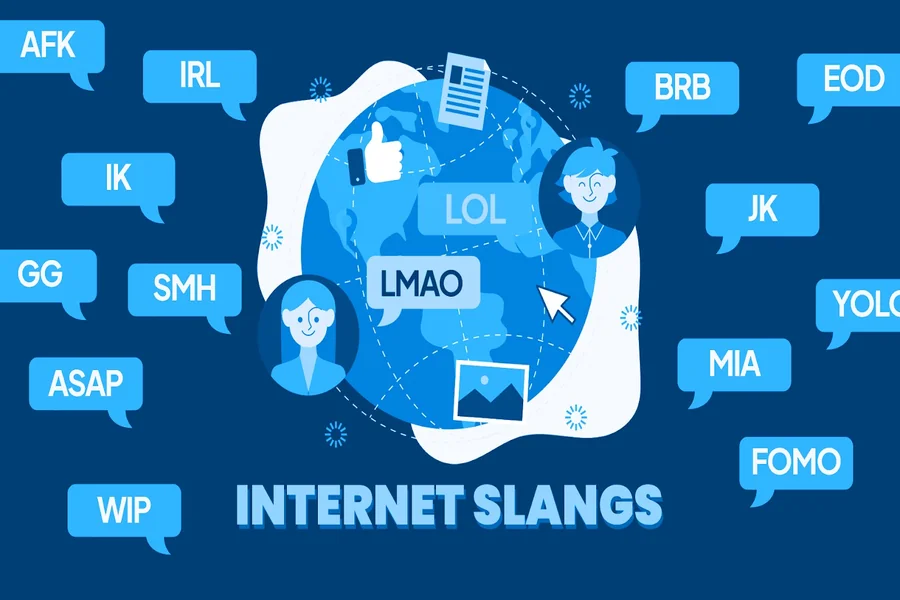
The internet has its own way of talking. New words appear fast and spread even faster. To keep up you need to understand slang meanings used online every day. These words are short quick and often confusing at first. But once you know them they make online chats feel easy and natural.
Internet slang is not random. It grows from real needs. People want to save time. They want to express feelings fast. They want to belong. Slang meanings help all of that happen in a few letters or words. This article breaks down common internet slang in a simple way so anyone can understand and use it with confidence.
What Is Internet Slang and Why It Exists
Internet slang is a group of informal words or phrases used mainly online. You see them in texts comments chats and social media posts. These words often shorten full sentences or express emotions quickly.
The main reason slang exists is speed. Typing long sentences takes time. Slang makes communication faster. Another reason is tone. Some feelings are hard to show in plain text. Slang helps show humor excitement or sarcasm without extra explanation.
Slang meanings also change over time. A word that meant one thing years ago can mean something else today. This is why staying updated matters if you spend time online.
How Slang Meanings Change Over Time
Internet slang evolves fast. A word can go viral in days and fade in months. Social media platforms play a big role in this process. A phrase used on TikTok can move to Instagram then to everyday speech.
Slang meanings change because people keep using words in new ways. Sometimes a joke turns into a serious term. Sometimes a serious term becomes funny. Context matters a lot.
For example words like “cool” once had one meaning. Now they can mean agreement approval or calm behavior. Internet slang works the same way but faster.
Common Internet Slang and Their Meanings
Let’s look at some widely used internet slang. These examples will help you understand slang meanings you see daily.
LOL
This means laughing out loud. People use it even when they are not actually laughing. It often shows friendliness or light humor.
BRB
This stands for be right back. It tells someone you will return soon.
IMO
This means in my opinion. It shows you are sharing a personal thought.
IDK
This means I do not know. It is one of the most common slang terms.
TBH
This means to be honest. People use it before sharing a real feeling or truth.
DM
This stands for direct message. It means a private chat on social platforms.
These slang meanings help keep conversations short and smooth.
Slang Meanings Used on Social Media Platforms
Each platform has its own style of slang. While many words overlap some are more common in certain spaces.
On Twitter people use short slang due to character limits. On Instagram slang appears in captions and comments. TikTok creates trends that introduce new slang quickly.
Words like “viral” “ratio” and “cancelled” gained popularity through social media. Their slang meanings depend on how people use them online not on dictionary definitions.
Understanding platform specific slang helps you avoid confusion and miscommunication.
Slang Meanings in Gaming and Online Communities
Gaming communities use a lot of slang. These words help players communicate fast during games.
GG means good game. It shows respect after a match.
AFK means away from keyboard.
Noob refers to a beginner. It can be playful or insulting depending on tone.
OP means overpowered. It describes something too strong.
Slang meanings in gaming often spread to general internet use. Even non gamers now understand many of these terms.
Why People Use Slang Online
People use slang for many reasons. One big reason is identity. Using slang shows you understand online culture. It helps you fit in.
Another reason is emotion. Slang can show excitement anger or humor fast. A simple word can replace a long sentence.
Slang meanings also create connection. When two people use the same slang they feel more related. It builds a shared language.
When Slang Can Cause Confusion
Slang is useful but it can also confuse people. Not everyone knows every term. Age culture and language background affect understanding.
Some slang meanings change so fast that even active users get confused. A word may mean one thing in one group and something else in another.
This is why context is important. Before using slang think about who you are talking to. Clear communication always matters more than sounding trendy.
How to Learn and Use Slang Meanings Correctly
Learning slang does not require effort. Just observe how people use words online. Read comments. Watch videos. Notice patterns.
Do not force slang into every sentence. Use it when it feels natural. Overuse can sound fake or awkward.
If you are unsure about slang meanings look them up. Many online dictionaries explain terms in simple ways. Asking politely is also fine.
Slang Meanings and Everyday Language
Many internet slang terms move into real life conversations. Words like “selfie” and “hashtag” started online and became common speech.
This shows how strong digital culture is. Slang meanings shape how people talk even offline. Language is always evolving and the internet speeds it up.
Understanding slang helps you understand modern communication better.
The Future of Internet Slang
Internet slang will keep changing. New platforms will create new words. Old slang will fade or take on new meanings.
Artificial intelligence memes and global trends will influence future slang meanings. What stays constant is the need for fast expressive communication.
Staying curious is the best way to keep up.
Final Thoughts
Internet slang is more than just short words. It reflects how people think feel and connect online. Understanding slang meanings helps you communicate better and avoid confusion.
You do not need to know every term. Knowing the common ones is enough. Pay attention to context and audience. Use slang naturally and confidently.

