
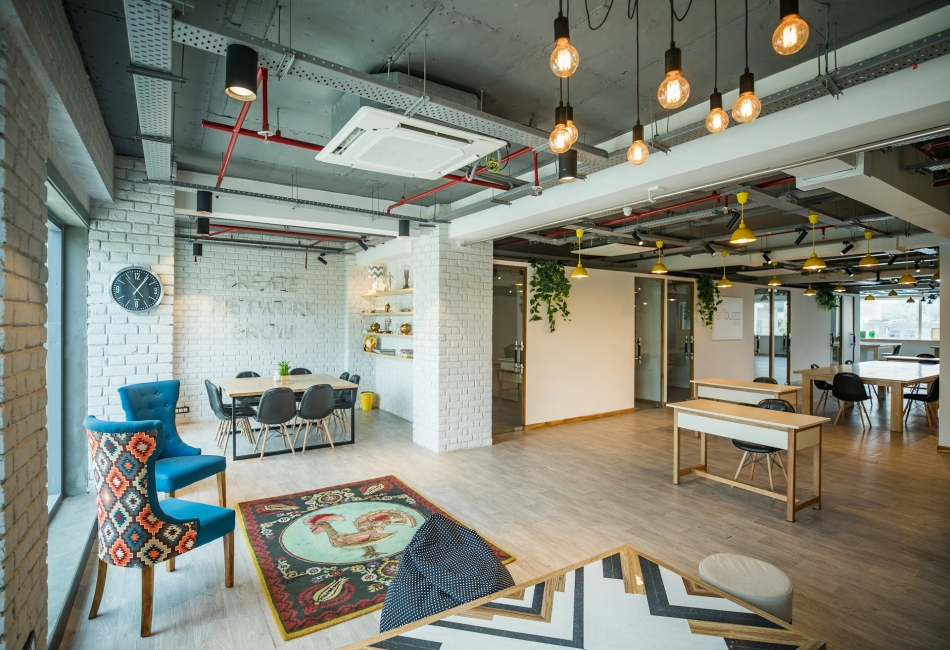
Nowadays, companies are shifting away from rigid office layouts toward open spaces with flexible workstations and quiet zones; people require both collaboration and focus for true productivity. This makes sense; designing workplaces to maximize employee efficiency can only increase worker performance.
That is why places like CANOPY premium coworking spaces have grown increasingly popular; their blend of open, stylish environments with private areas helps professionals produce their finest work. But how can you create an effective workspace? Whether managing a large office or sharing office space, designing your environment plays an integral part in how productive both you and your team members will be.
The Role of Office Design in Employee Performance
Without realizing it, office design has an immense effect on employee performance and employee engagement. Struggling to focus in an unnerving, noisy, or disorganized space can have serious ramifications on productivity levels, engagement, and overall success at work. In such environments, employees may lose focus, feel disengaged, and struggle to accomplish meaningful tasks.
Instead, imagine entering an office environment that’s clean, organized, and equipped with everything needed at arm’s reach. This contrast highlights how thoughtful office design supports not only efficiency but also stronger employee engagement by creating a space where individuals feel supported and motivated.
An effective office design doesn’t just look attractive—it serves a vital function. Employees in environments designed with care experience less stress, improved focus, and higher levels of engagement. Even seemingly minor features, such as organized desks, easy access to resources, or designated brainstorming areas, can significantly influence both performance and engagement.
Office design transcends mere functionality; it sets the tone for the entire workday. When surroundings feel comfortable and purpose-driven, employees are more likely to stay engaged, motivated, and energized. Design directly influences mood, energy levels, creativity, and long-term employee engagement—making it a critical factor in workplace success.
Establish a Productive and Comfortable Work Environment
An efficient workplace should feel inviting while remaining functional, placing comfort above aesthetics as its cornerstone of success. Doing this doesn’t necessarily mean making everything appear luxurious but ensures employees can work without experiencing pain or discomfort while they complete their daily duties.
As far as seating goes, ergonomic chairs and adjustable desks can help employees avoid back pain and remain focused for extended periods. Lighting also plays a pivotal role; natural sunlight has been proven to boost moods and energy levels while soft, warm lighting creates an enjoyable yet productive work atmosphere.
Noise control in offices is also critical. While open offices can foster collaboration among staffers, they may also become disruptive at times. Successful offices find an equilibrium by using soundproof booths, quiet areas or noise-cancellation features to give employees options when working together in open environments.
Encouraging Collaboration Without Compromising Focus
Fostering cooperation while simultaneously giving everyone space to focus can be challenging in an office design; striking that balance can be tricky for business. Too open of an environment could become disorienting; too closed off could feel isolating. To ensure optimal conditions, each zone should provide for different tasks.
Companies often create “collaboration hubs” where teams can freely brainstorm. At the same time, there are quiet zones available so employees can relax when they need to focus. Many shared office spaces make this especially accessible, allowing professionals to move between spaces depending on their requirements.
Flexibility is another essential feature, with mobile furniture, adjustable partitions and modular desks offering businesses the capability to quickly reconfigure spaces to better match team workflow needs.
Utilizing Technology for an Improved Workspace
Technology is revolutionizing how offices function. No longer does having high-speed Internet and fancy computers ensure productivity; rather it means using intelligent tools that optimize efficiency.
Digital booking systems for meeting rooms help avoid scheduling conflicts while noise-cancellation technology creates a more focused work atmosphere in open areas. Some offices even take steps towards creating ideal work settings without wasting energy resources, such as automated lighting or climate controls.
Hybrid work models have elevated tech integration. Employees require spaces that support virtual meetings and remote collaboration as well as seamless communication among in-office and remote workers. An equipped workspace ensures everyone stays productive while remaining connected.
Conclusion
Businesses that invest in their work environments will experience higher employee engagement, enhanced collaboration, and enhanced well-being among their workforce. Optimizing office space doesn’t just involve aesthetics; its goal should be creating an atmosphere in which individuals can do their best work. Whether redesigning a corporate office or selecting a shared workspace, this goal should remain constant: create an atmosphere where productivity and creativity can thrive.